




Your baby has been communicating with you since the moment they arrived. Without words, your newborn uses their body language, their hands, their posture, their breathing, the way their skin changes color, the direction their eyes move. Every single one of these is a signal.
Most parents don’t know how to read them. That’s not a failure. Newborn body language isn’t something most people are ever taught. But once you learn it, those exhausting early weeks look different. You stop guessing. You start responding. And everything gets a little easier.
I’m a Certified Neonatal Therapist with NICU experience and a Pediatric Speech Language Pathologist specializing in infant feeding. Reading newborn body language isn’t just something I do during photo sessions, it’s clinical training I spent years developing with the most medically fragile babies in the NICU and PCICU. The same cues that guided my care there are the cues I’m sharing with you here.
This post covers the two most important categories of newborn body language: stress cues and readiness cues. Understanding the difference between them is the foundation of everything including feeding, sleeping, play, soothing, and yes, newborn photography too.
Why Newborn Body Language Matters More Than You Think
Here’s what most people get wrong about newborns: they wait for crying to know something is wrong.
Crying is a late cue. By the time your baby is crying, they’ve already been communicating for minutes and sometimes longer that something needed to change. The cry means the earlier signals weren’t noticed or responded to. It’s not your baby being difficult. It’s your baby escalating because the quieter messages weren’t heard.
This matters for every part of those early weeks. Feeding goes more smoothly when you respond to early hunger cues rather than waiting until your baby is frantic. Sleep happens more easily when you catch the drowsy window before overtiredness sets in. Tummy time is more successful when your baby is in a calm, ready state rather than already at their limit.
Newborn body language gives you earlier information so you can respond before the situation escalates. That’s better for your baby’s nervous system development, better for building trust between you, and better for your sanity if I’m being honest.
The Two States Your Newborn Is Always Moving Between
Before getting into specific cues, it helps to understand what your baby’s nervous system is actually doing in those early weeks.
Newborns are in a constant process of regulation. Their immature nervous system is working to find and maintain a calm, stable state. They move between being regulated (settled, stable, ready for interaction) and dysregulated (overwhelmed, stressed, needing help to recover). This happens dozens of times a day, often in response to stimulation that wouldn’t register at all for an older baby or adult.
A sound. A light change. A transition from one position to another. Even a diaper change can tip a newborn from regulated to dysregulated if their system is already close to its limit.
Your job in those early weeks isn’t to keep your baby perfectly calm at all times. That’s not possible and not the goal. Your job is to notice which direction they’re moving and respond accordingly. Readiness cues tell you they’re regulated and ready. Stress cues tell you they’re moving toward dysregulation and need support.
Readiness Cues: What “Ready” Actually Looks Like
When your newborn is regulated and available for interaction, their body tells you clearly. These readiness cues are like the green light signals that say now is a good time.
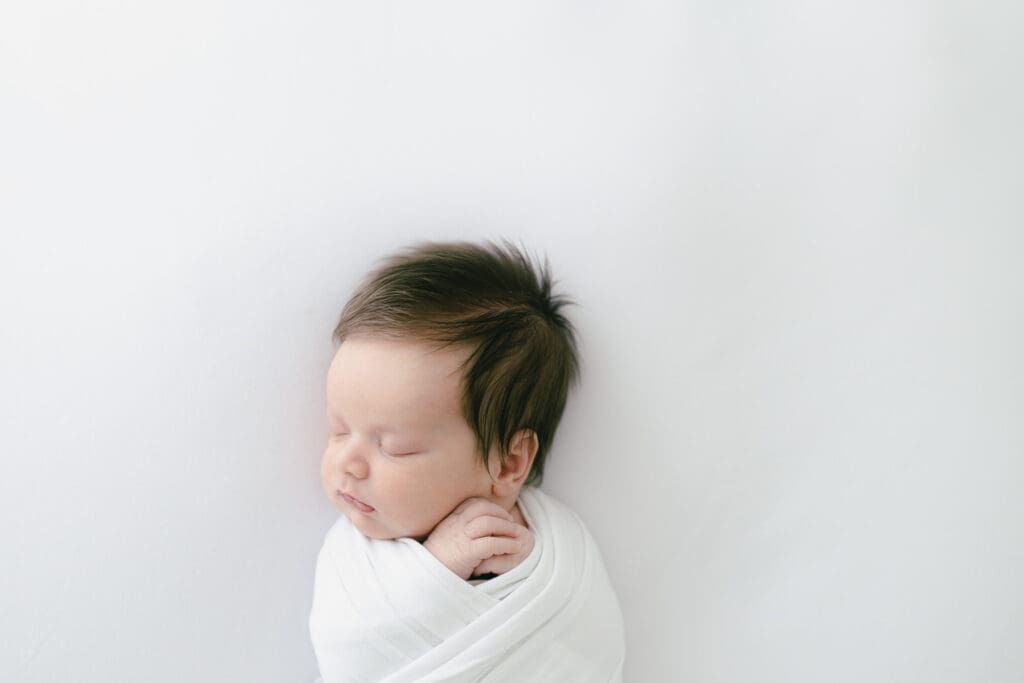
Calm alert state. Your baby is awake, eyes are open, and their gaze is soft and focused rather than wide and frantic. This is the quiet alert state, and it’s one of the best windows you’ll get in those early weeks. It doesn’t last long but it’s prime time for connection, tummy time, and face-to-face interaction.
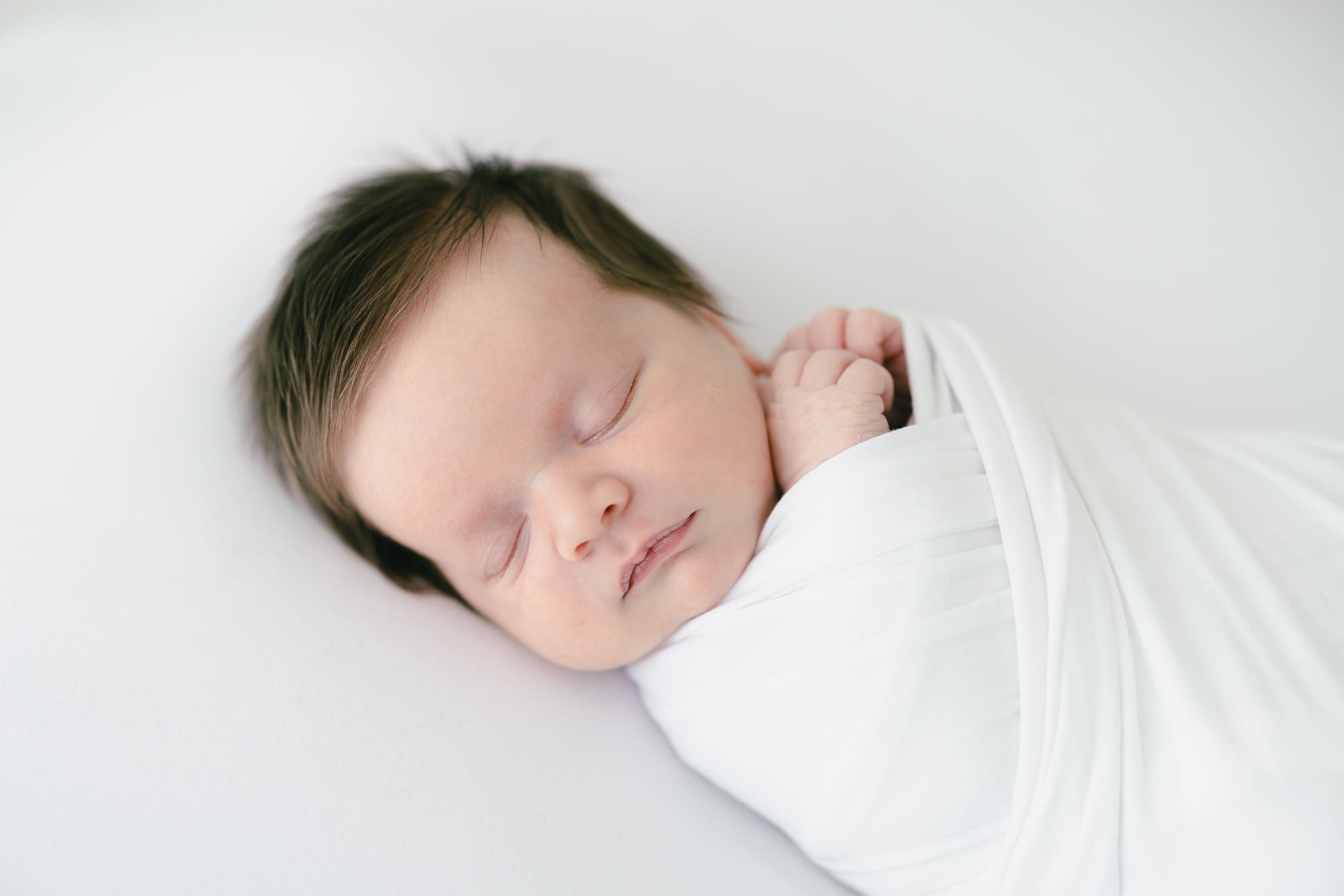
Soft, flexed posture. When a newborn is comfortable, their body naturally curls inward. Arms bent, hands near the midline of their body, legs gently flexed. This is the posture their body was in for months in the womb, and it’s a physical sign that their nervous system is settled. A baby who is stiffening, extending, or arching away from flexion is telling you the opposite.
Smooth, organized movements. Readiness looks fluid. Hands moving toward the mouth, legs cycling gently, head turning smoothly. You’re not seeing jerky, startled, or frantic movements. The quality of movement is calm.
Good, stable color. Healthy pink or the baby’s normal skin tone, consistent across their body. No mottling (blotchy patches), no pallor around the mouth, no flushing. Skin color is one of the most underrated indicators of nervous system state in newborns.
Steady, even breathing. Regular rhythm, no pausing, no rapid shallow breaths, no grunting. Breathing changes are one of the earliest signs that a baby is starting to stress, which is exactly why I watch it constantly during sessions.
Visual engagement. Your baby will briefly track your face or a high contrast object. They’re present and interested in their environment, not glazed or turned away.
When you see a combination of these cues that indicate a calm, alert, organized state, your baby is telling you they’re ready. Ready to interact, to do tummy time, or to be fed if they are showing hunger cues. This is the window you work within.
Stress Cues: The Signals Most People Miss
Stress cues are where most of the missed communication happens, because many of them look like nothing. A yawn. A sneeze. A baby looking away. These don’t seem like signals, but in context, they absolutely are.
Learning to see stress cues early is one of the most valuable things you can do in those first weeks, because early stress cues are quiet. They’re easy to respond to. The later ones such as fussing, crying, inconsolable distress are harder to walk back from.
Early Stress Cues
These are the first signs your baby’s system is getting close to its limit. If you see these, slow down or pause whatever you’re doing.
Gaze aversion. Your baby turns their head away, closes their eyes, or looks off to the side. This is not your baby being uninterested. It’s a deliberate regulatory strategy to reduce stimulation input. When a newborn looks away from you, they’re saying “I need a moment.” Honor it. Let them look away, give them a few seconds, and wait to see if they re-engage.
Yawning. Outside of actual tiredness, yawning in newborns is a stress signal. A baby who yawns repeatedly during feeding, tummy time, or a bath is telling you their system is working hard to manage.
Sneezing. A reflexive regulatory response that shows up when the nervous system is taxed. One sneeze is just a sneeze. Repeated sneezing in the context of stimulation is a cue.
Hiccups. Hiccups happen when the diaphragm responds to stress or overstimulation, especially after feeding. They’re normal and harmless, but they’re worth noting as part of the pattern.
Hand-to-face gestures. A baby bringing their hands to their mouth or face is self-soothing and their nervous system’s way of trying to organize and calm itself. This is actually a healthy, functional behavior. Don’t interrupt it. Don’t move their hands away. Let them self-soothe.
Increased fussiness or squirming. Harder to contain wiggling, low level vocalizations, a general restlessness. The baby isn’t crying yet, but they’re working up to it if nothing changes.
Late Stress Cues
These appear when the earlier signals weren’t responded to, or when the stress happened too quickly for the early cues to register.
Finger splaying. The fingers spread wide and flat, often with the arms extending outward. This is one of the most recognizable late stress cues. When you see splayed fingers, especially paired with other signals, your baby is telling you clearly that they’ve reached their limit.
Extension and arching. The body stiffens and extends outward, away from that comfortable flexed position. Arms may shoot out, legs may straighten, the back may arch. This is the opposite of the soft, flexed readiness posture and means your baby’s nervous system is in a defensive, stressed state.
Color changes. Mottling (blotchy, marbled skin tone), pallor around the mouth and nose, or flushing indicates physiological stress. This is why skin color is part of what I’m watching constantly during newborn sessions. Color changes happen fast and they’re meaningful.
Frantic or disorganized movements. Jerky, startled quality to movements rather than smooth and fluid. Arms and legs may flail. The organized, purposeful quality of readiness is gone.
Breathing changes. Rapid, shallow breathing. Irregular rhythm. Grunting. Any significant change from your baby’s baseline breathing pattern is worth noticing, especially alongside other cues.
Hyperalertness. Wide, almost wild-looking eyes, scanning the environment rapidly. This looks like alertness but is actually a stress response. The nervous system is on high alert rather than calmly available.
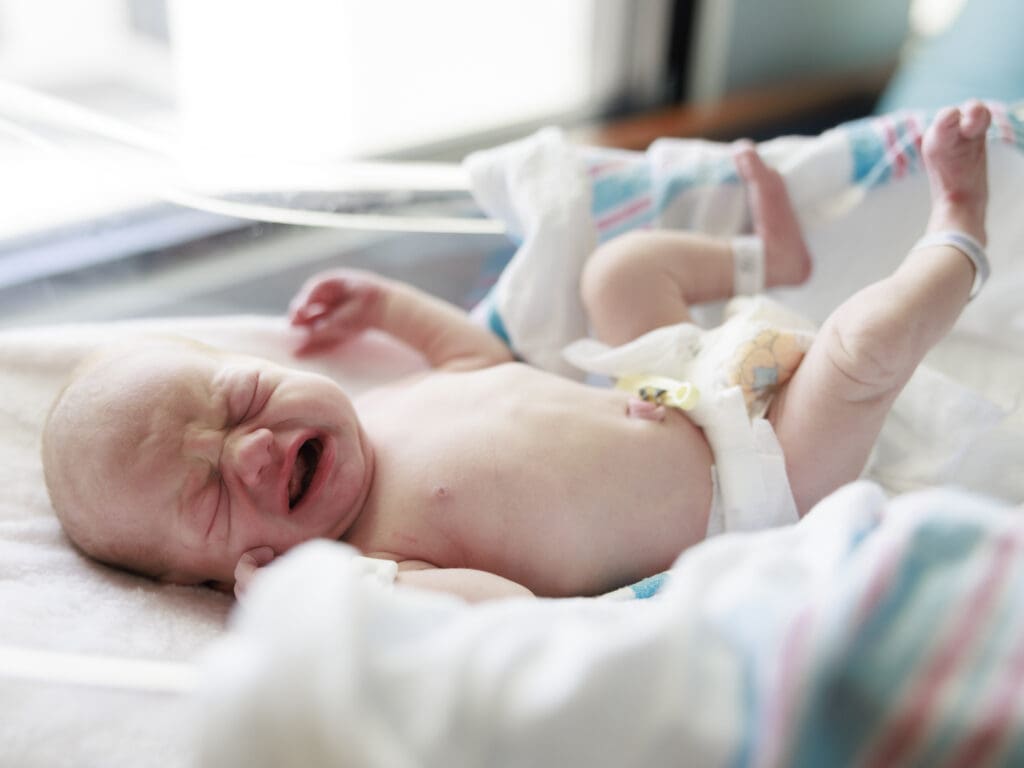
Crying. The signal most people were waiting for. By this point, your baby has been communicating for a while. Crying means the earlier cues weren’t noticed or weren’t enough. It’s not a character flaw in your baby. It’s escalation.
Why Cues Cluster (And Why That Matters)
One of the most important things to understand about newborn body language is that cues don’t usually appear alone. They cluster.
A yawn by itself might mean nothing. A yawn combined with gaze aversion, some increased squirming, and hand-to-face movements? That’s your baby’s system telling you it’s close to capacity. The more cues you see at once, the more clearly the message is being sent.
This is why context matters. I’m not watching for one cue in isolation during sessions. I’m reading the whole picture. What’s the overall muscle tone? How is their breathing doing? What’s the color? What’s the posture? All of these together give you the full sentence, not just a single word.
As you spend more time with your baby, you’ll start to recognize their individual patterns. Some babies give extensive early warning. Others move from calm to distressed more quickly. Some have very expressive faces and bodies; others are subtler. Your baby’s cues are unique to them, and learning their specific language is part of those early weeks.
How to Respond When You See Stress Cues
Seeing a stress cue doesn’t mean something is wrong. It means your baby is communicating, and you can respond. Here’s what that actually looks like:
Pause whatever you’re doing. This is always the first step. If you’re doing tummy time and you see stress cues, stop. If you’re changing a diaper and your baby starts splaying their fingers and arching, pause the change. Give your baby a moment before continuing.
Reduce stimulation. Dim lights if possible. Reduce noise. Limit how many people are talking or hovering. Newborns can only process so much sensory input at once, and removing some of the load gives their nervous system room to recover.
Offer containment. Swaddling, skin-to-skin contact, or a firm, gentle hold that brings your baby’s arms and legs back toward the midline of their body. The physical sensation of being contained is calming to the newborn nervous system because it mimics the boundaries of the womb.
Check for hunger. Stress cues and hunger cues overlap significantly. If you see gaze aversion, increased fussiness, hands to mouth, and squirming, consider whether feeding might be what’s needed. A baby who’s heading toward distress because they’re hungry will calm much faster with a feed than with any other soothing technique.
Wait before re-engaging. Once you’ve responded to stress cues, give your baby time to actually recover before resuming whatever you were doing. A brief pause and then immediately continuing isn’t really a pause. Their system needs genuine recovery time, especially for a late stress response.
Let them self-soothe when possible. If your baby is using their hands for comfort, let them. If they’re turning away to regulate, let them look away. These aren’t problems to fix. They’re healthy coping strategies you want to support.
A Note on Newborn Sleep States (Because Cues Look Different Depending on State)
One reason newborn body language is confusing is that what a cue means depends partly on what state your baby is in.
Newborns cycle through six distinct states: deep sleep, light sleep, drowsy, quiet alert, active alert, and crying. The same movement can mean different things in different states. Twitching in deep sleep is normal neurological activity. Twitching combined with other stress cues in an awake baby means something different.
The states that matter most for reading cues:
Quiet alert is the readiness window- calm, eyes open, available, ready for interaction.
Active alert is a transitional state- your baby is more active and vocal, still manageable but moving toward their limit. Good time to check in and consider feeding.
Light sleep is when babies look like they might be waking but aren’t quite there- you’ll see eyelid fluttering, small movements, possibly facial expressions. This is not the time for interaction. Let them complete the cycle.
Drowsy is the window for putting a baby down to sleep- sleepy but not fully asleep. A drowsy baby transitioned to a safe sleep surface has a better chance of settling than one who’s moved from deep sleep.
Understanding states makes reading cues significantly easier, because you’re no longer trying to interpret a movement in a vacuum. You know what context you’re working in.

The Lead Up to This: What You Can Do Right Now
If you want a practical starting point, here’s what I’d suggest:
For the next 24 hours, just observe. Don’t try to change anything yet. Just watch your baby’s hands, posture, color, and breathing throughout different parts of the day. Notice what they look like when they’re calm and settled. Notice what changes when they start getting fussy. You’re building a baseline, learning their specific language before you start interpreting it.
Most parents find that once they know what to look for, they start seeing the cues they’d been missing all along. The signals were always there. Now you have the vocabulary to read them.
Want the Complete Guide?
I put together a free resource, What Your Newborn Is Telling You, that walks through the five key cues I watch for during every newborn session and exactly how each one applies to your life at home. It covers readiness cues, stress cues, hunger cues, overstimulation signals, and safe positioning. All written for parents, not clinicians.
The Photography Connection (Because It’s More Related Than You Think)
Everything in this post is also exactly what happens during a newborn session in my studio.
When I photograph your newborn, I’m reading their body language in real time throughout the entire session. The moment I see stress cues such as splaying fingers, color changes, extension, gaze aversion, I stop. We regroup, swaddle, feed if needed, and give your baby time to return to a regulated state before continuing. I never push through a stress response for a shot.
This is what makes baby led newborn photography different from sessions that follow a rigid timeline. Your baby’s cues determine the pace, the poses, the breaks, and the order of everything. My CNT training means I catch the early signals before they escalate, which is why sessions stay calm, why babies settle faster, and why the images we create together show a baby who is genuinely comfortable rather than one who’s been managed into a position.
If you’re expecting and researching newborn photographers in Tampa Bay, this is the expertise that actually matters for your baby’s experience. Learn more about how I approach newborn sessions →
Coming Next: How to Help Your Newborn Regulate
Reading cues is the first step. Knowing how to respond effectively with specific techniques for helping your baby move from dysregulated back to calm is the next one.
In an upcoming post, I’ll go deep on newborn regulation strategies: what actually works, why they work neurologically, and how to use them in real life at home.
Frequently Asked Questions About Newborn Body Language
What is the most important newborn cue to learn first? Start with the difference between soft, flexed posture (readiness) and extension or arching (stress). These are visible from a distance and give you immediate information about your baby’s state without needing to interpret subtle facial expressions or sounds. Once you can read postural cues reliably, the others layer in naturally.
What does it mean when a newborn looks away from you? Gaze aversion is a self-regulatory strategy, not disinterest. When your newborn turns away during feeding, interaction, or stimulation, they’re reducing sensory input to help their nervous system manage. The right response is to let them look away, wait, and see if they re-engage on their own. Chasing their gaze or redirecting their face increases stress rather than reducing it.
Is yawning always a stress cue in newborns? Not always. Newborns yawn when tired, just like anyone else. Context matters. A single yawn when your baby has been awake for a while is probably just tiredness. Repeated yawning during feeding, tummy time, or a bath, especially alongside other cues like gaze aversion or hand-to-face movements, is a stress signal worth responding to.
Why does my newborn sneeze so much? Frequent sneezing in newborns is often a stress or regulatory response rather than a sign of illness or a cold. Newborns also sneeze to clear their nasal passages, which are very narrow in the early weeks. If sneezing is happening repeatedly during stimulating activities, treat it as a cue and consider reducing the level of input.
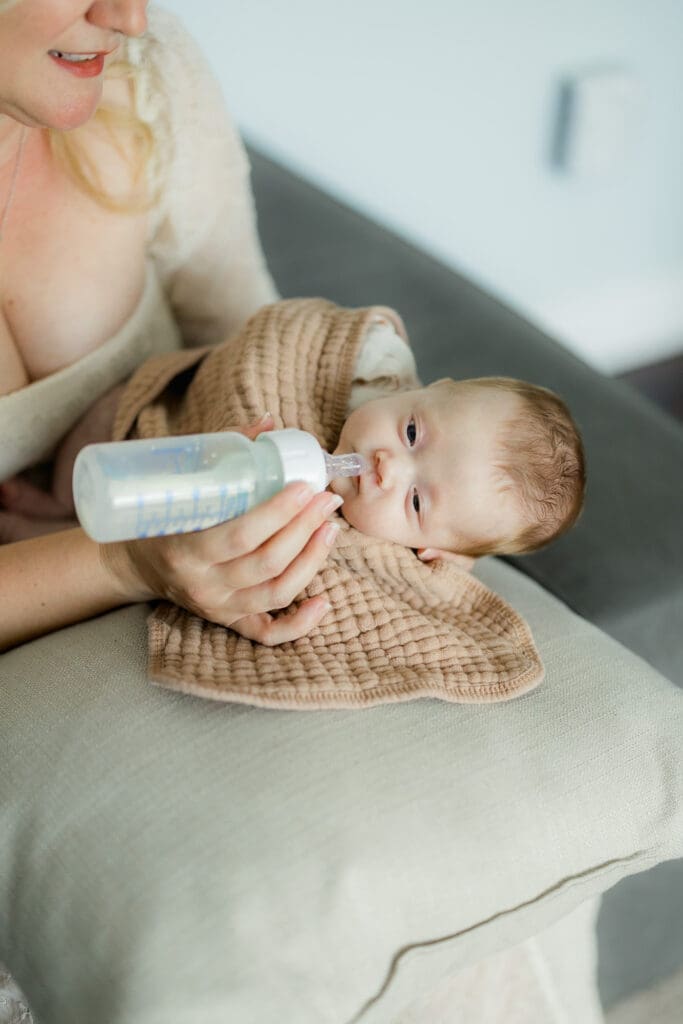
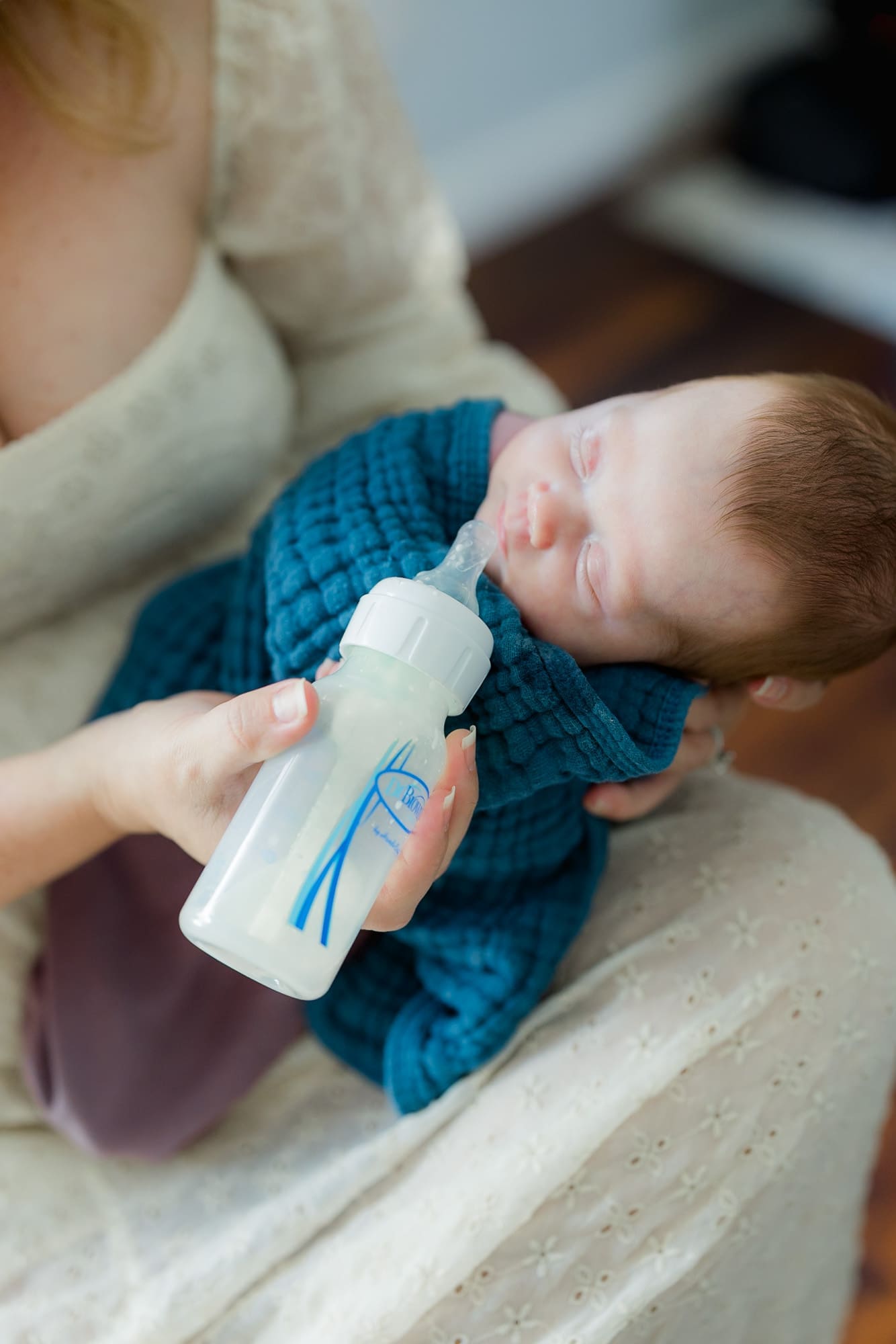
What does newborn body language look like during feeding? During a calm, well paced feed, you’ll see organized sucking and swallowing, soft muscle tone, and good color. Stress during feeding looks like splayed fingers, back arching, pushing away, color changes, and increasingly disorganized suck patterns. These are signs the feeding pace may be too fast, your baby may need a break, or positioning may need adjusting. I cover some bottle feeding tips in this blog post HERE. I will cover more about newborn feeding cues in depth in an upcoming post.
How long does it take to learn to read newborn cues? Most parents start recognizing the clearest cues within a week or two of intentional observation. You don’t need to identify every cue perfectly. You just need to notice that something has changed and respond to it. Trust your instincts. If something about your baby’s behavior is telling you to slow down or stop, listen to that. The clinical knowledge in this post gives you a framework, but you are your baby’s expert.
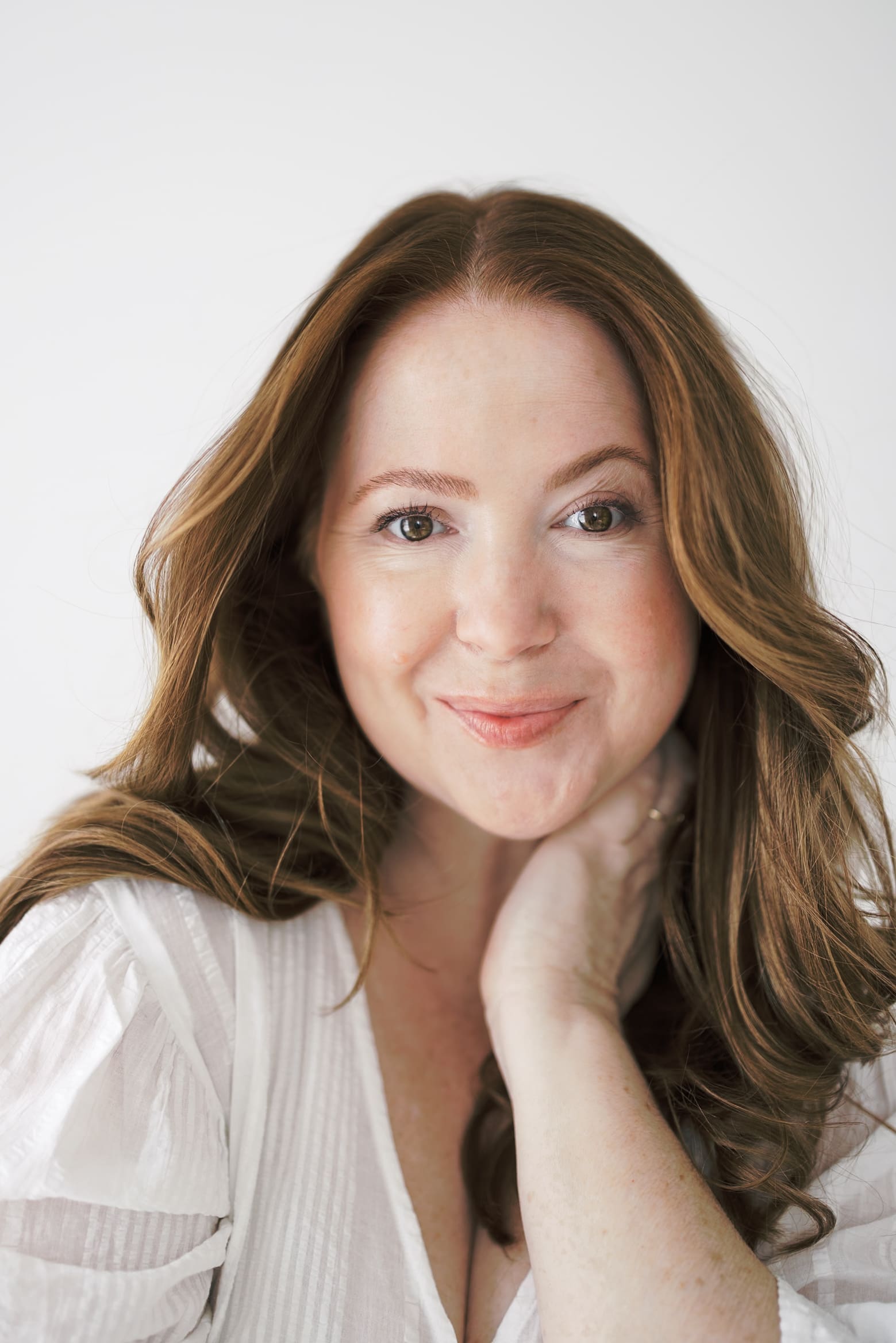
Tina Marie Studio is a Tampa Bay boutique photography studio where sessions are unhurried, the expertise runs deep, and the photos end up on your walls.
Owner and photographer Tina is a Certified Neonatal Therapist with NICU experience and a Pediatric SLP specializing in infant feeding. These credentials shape every session she photographs, especially with newborns and young families. She photographs families across Tampa, St. Petersburg, Clearwater, Wesley Chapel, and the surrounding area.



Comments +